Perceive
Depth, segmentation and masks for objects you name, on every camera, for the frames it sees and the future it imagines.
XPENG · Physical AI
One world action model for everything that moves.
Everything playing behind this title is imagined by WorldGPT, from about a second of real camera input.
Overview
WorldGPT is one world action model, trained on cars, boats, drones, single-arm and dual-arm robots and humanoids together. From about a second of camera input and an instruction, it imagines how the world will unfold and plans how to act in it, while seeing in depth and segmentation and reasoning in language. It is built as a teacher: one large model in the cloud, designed to be distilled into a smaller on-device student for each embodiment. To our knowledge it is the first model to do all of this across land, water and air.
Input
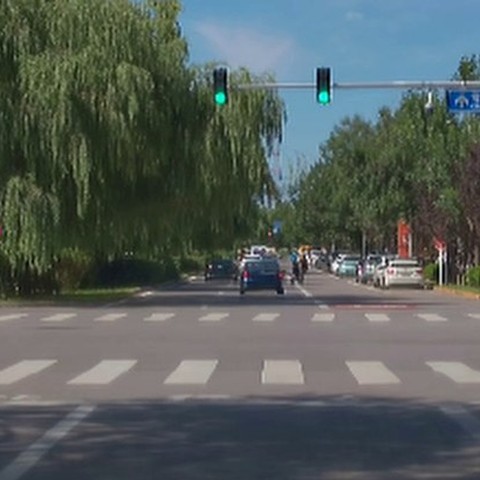
Output
Cross-embodiment
The same weights plan the motion of the car, the drone, the boat, and the robot arms and hands. In every tile, WorldGPT imagines what happens next and acts in it.
Select a tile to watch it next to the real recording.
Why one model
Building a separate model for every embodiment multiplies the cost and splits the data. WorldGPT takes two steps instead.
Actions can’t be shared across embodiments: a steering angle means nothing to a robot arm, and a joint angle means nothing to a drone. Pixels can. Every embodiment sees the world through a camera, so pixels are the bridge between them. WorldGPT learns from all of them in that shared pixel space, so each embodiment’s data also teaches the others. That makes far better use of the data than separate models can, and what WorldGPT learns on the road, in the air and on the water carries over to the rest.
The teacher stays in the cloud and is built to be distilled into a smaller on-device student for each embodiment. A new embodiment adds its data to the teacher instead of starting a new stack.
Benchmarks
As of 12 November 2026. ↑ higher is better, ↓ lower is better; our row is highlighted.
Capabilities
Physical AI is usually built as a pipeline: one model to see, one to reason, a simulator to predict and a policy to act, each built for a single embodiment. WorldGPT replaces the pipeline with one model, across six embodiments.
Depth, segmentation and masks for objects you name, on every camera, for the frames it sees and the future it imagines.
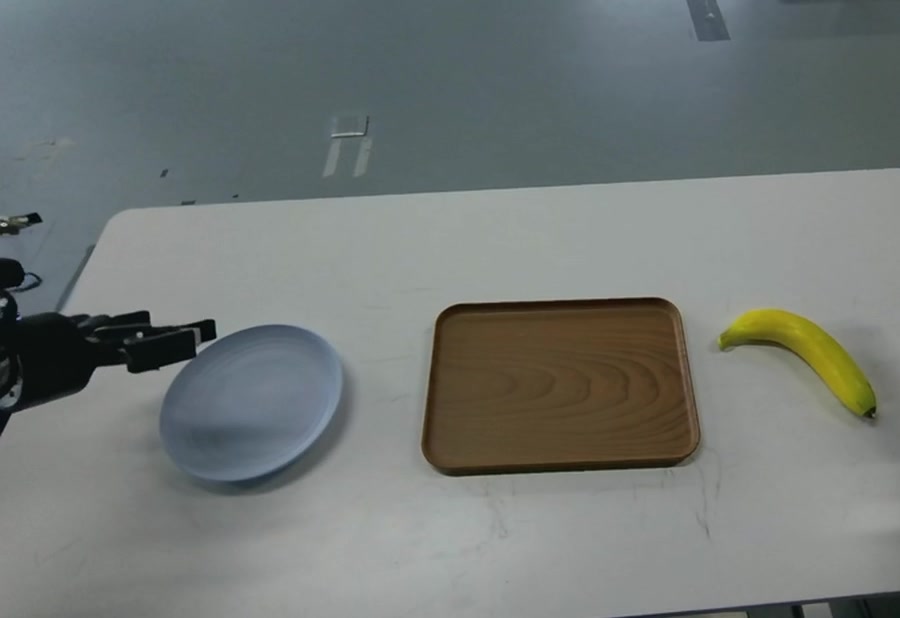
Explains itself: answers questions about the scene and gives the reason behind its decisions, in plain language.
Predicts what happens next: seconds of multi-camera video, consistent across views, from about one second of real input. Change the instruction and the future changes.
Trajectories for cars, actions for arms and hands, motion for drones and boats, all from the same model.
Demos
The six clips from the cross-embodiment grid, and 26 more, one at a time. Each starts from about one second of real camera input, and the rest is WorldGPT's own prediction. Where it was asked, it first pauses to reason about what to do; then it draws its planned action on the imagined future, followed by depth and segmentation. Drag the divider to compare with what really happened.The real recording plays alongside for comparison.
Controllable futures
A world model is only useful for planning if its futures respond to what you ask. In each scene below, three futures start from the same recorded moment and only the instruction is changed. WorldGPT follows each one, across six embodiments.
At a glanceThe shared start, then the moment each instruction is carried out
Technical report coming soon.
Authors
Citation
References and data credits
Papers behind every benchmark above, and the datasets the demo footage comes from.